SheBegan International Scholarship for Women 2020-2021 to study in the United States

Deadline: April 20, 2020

Applications for the SheBegan International Scholarship for Women 2020-2021 are now open. The International Scholarship for Women (ISW) Program oers sponsorship for women studying full-time graduate, undergraduate, or postdoctoral programs in the U.S.A. The full education funding grants are oered to the women of all countries other than Iran, to study in U.S. Universities and exemption for the women, those are ISW institution members. First preference will be given to the women that prove prior dedication to the charitable or volunteering work for empowering women in their specic elds and also to the women through professional, community, or civic work

Scholarship

The scholarship covers

Health insurance in sponsorship with Sunlife insurance company Expense on Return ight: US$1600 (Once per anum) Undergraduate degree sponsorship: US$18,000 Master’s/rst professional degree sponsorship: US$28,000 Doctoral degree sponsorship: US$26,000 Postdoctoral degree sponsorship: US$32,000 Books & Literature expense: US$1000 per year Monthly stipend of US$1200 for an undergraduate student, US$1600 for Master student, US$1800 for Doctoral Student and exible package for post-doctorate student

Eligibility

Except for Iran ISW sponsorship is available for the women from any other country. Age requirement for degree programs depends on the University requisites. Hold an educational grade (received abroad or in the U.S.) equivalent to a bachelor’s degree in the U.S. for enrollment application on master’s program, hold a degree equivalent to a master degree in the U.S. to apply for a doctoral grade program, or hold a valid doctoral degree to apply for a post-doctorate position. Committed to dedicate herself to the intended educational plan, if selected. A commitment letter needs to be signed by the candidate upon receiving the ISW Scholarship. Plan to go back to her home nation to take up a professional occupation. Be competent in English. Unless the candidate can conrm that her resident lingo is English (statement required in writing), that she obtained her undergraduate degree or secondary diploma that was taught in English language (transcript needed), or that she needs to submit a letter that provides evidence of her work as a full-time researcher enrolled in English taught program (transcript needed – English Prociency Certicate needed), IELTS, or English language prociency evidence is mandatory. By April 15, 2020, the candidate must have received a conditional admission letter from a U.S. University. Master’s professional-grade fellowships are meant for professional or master’s degree-level curriculums, for example, MS, L.L.M., J.D., Arch. Or M.F.A., or medical degrees, for instance, D.D.S., M.D., etc. Doctoral fellowships are meant for Ph.D. degrees, for instance, Ed.D or Ph.D. Postdoctoral candidates should present evidence of their doctorate degrees; holding a doctorate graded as a research degree (for example, M, D.B.A. Ed.D., Ph.D.,) or by April 15. 2020 an M.F.A.; & specify University and laboratory name where the candidate will carry out their research study. Candidates should be enrolled in a full-time degree program. ISW does not oer sponsorship for a part-time course or research or study. ISW does not provide sponsorship for distance-learning programs, language courses, exchange program courses and short duration courses.

APPLY HERE

Sotho/Tswana Clan Names

Bakgalagadi-Batlhaping — Thlapi—– Batlhaping Kurumane South Africa
Babirwa — Nare
Batabe — Tshipi
Bafokeng — Mmutla, Kwena, Phoka
Bafula — Kolobe
Bagananwa/Bahananwa — Tshwene—- Bahurutshe
Bahlakwana — kwena but not really kwena Pholo— Bakwena
Bahurutshe — Tshwene
Bakgaga/Bakgaaga Kwena, Phuti, Kgaga Bakgalaka
Bakgalagadi
Bakgalagadi – Baboalongwe Nare
Bakgalagadi – Bangologa
Bakgalagadi – Baphaleng
Bakgalagadi – Bashaga

Bakgatla Kgabo, Eagle Bahurutshe
Bakgopa
Bakhurutshe Tshwene/Phofu Bahurutshe
Bakone Hlagahlagane (Tlhantlhagane), Phuti
Bakubung Kubu Barolong
Bakwena Kwena
Bamalete Nare
Banareng Nare Bahurutse,
Bangwaketse Kwena Bakwena
Bangwato Phuti Bakwena
Bapai Tswhene Pulana, Swazi
Bapedi Noko Bakgatla
Baphalane Kwena Bakwena
Baphiri Phiri
Baphuthing Phuthi
Bapo Kwena Bakwena
Barokologadi Noko
Batlharo Tshwene
Batswapong Bapedi
Makgolokwe Phuthi
Makhoakhoa
Makololo Kwena Bafokeng
Mapulana Tau Bammangwato, Barolong
Mothupi (Clan) Tnnipi (Ra Topa) Ngaka Modiri Molema, Zeerust
Barolong Tholo
Basia Katse Bakgatla
Batau Tau
Bataung Tau Bahurutshe
Batawana Phuti Bangwato
Batlhako Tlou
Batlhaping Tholo ba nina Tlhapi Barolong
Batlhware Tshwene
Batlokwa Noko, Nkwe, Thakadu Bakgatla
Batloung Tlou
Batsatsing Letsatsi
Batshweneng Tshwene Bahurutshe
Bakopa Kwena BaKwena
Bakutswe Kwena Barolong
Bahwaduba Nare (Kgomo ya naga) Buffalo
Baroka ba Lebole Phuthi Bakgalaka
Baroka Tlou
Bakwena Ba MaThebe (also known as Bantwane) Kwena,Tholo,Kgabo Bammangwato,Barolong,Bakgatla, Musane-Dikwena, Mmusane Kotu

BAROLONG

Barolong ba ga Sehuba
Barolong ba ga Morakile
Barolong ba ga Modiboa
Barolong boora Makgetla
Barolong boo Tlou le Tau
Barolong boo Tshidi (Mahikeng)
Barolong boo Tshidi (Botswana)
Barolong boo Ratlou ba ga Phoi
Barolong boo Seleka (Thaba-Nchu)
Barolong boo Maiketso boo Mariba
Barolong boo Ratlou ba ga Seitshiro
Barolong boo-Seleka (Moroka- Botswana)
Barolong boo Seleka (Matsiloje- Botswana)
Barolong boo Rapulana ba ga Matlaba (Bodibe)
Barolong ba ga Lefifi (Nokaneng- Mpumalanga)
Barolong boo Rapulana ba ga Seatlholo (Lotlhakane)
Barolong boo Montshiwa (Mahikeng)
Barolong boo Sekela(Moroka – Thaba Nchu)

Xhosa Clan Names

Iziduko nezithakazelo nezinqulo zamaXhosa – Xhosa Clan Names

  1. Bhayi (Khetshe, Mkhumbeni, Msuthu – they belong to the amaVundle people) .
  2. Bhele (divides into several sub-clan groups: Dongo, Langa, etc.)
  3. Bhukhwana (ooMbara, Mtshobo, Phaphulengonyama, Into ezingaphathwa mntu ngoba zizinkosi ngokwazo)
  4. Cethe (ooChizama)
  5. Cirha (ooNcibane, Nojaholo, Ntswentswe, Qhanqolo, Sihlobo SikaPhalo, Hlomla lidala lineempondo, MGcaleka)

  1. Debeza – OoDebeza, ngoJebe, Nonyanya, Nongoqo, Mbeka Ntshiyini Bathi uqumbile, Khonkcoshe Mbokodo engava mkwetsho (These are royalty in the Amampondomse group. Their main concentration is in the former Transkei, in Tsolo, Qumbu and Umthatha in the Eastern Cape.)
  2. Dlamini (or Zizi,Jama kaSjadu, Mabetshe, Bhanise, Ngxib’inoboya, Fakade the clan name of Thabo Mbeki, khatsini, mtikitiki, nomana ndab’azithethwa intsuku ngentsuku,bhengu, nonyathi an Mfengu subgroup)
  3. Mdlane, Tutuse, Mdimba
  4. Dlomo (different lines, Thembu or Hlubi subgroups)
  5. Dontsa – oNoDlidlu, oNoDlabathi, oSwahla, oMntungwa uNdukuMkhonto, uShembe, bath’ uDontsa akananyongo kant’ abay’bon’ uba igqunywe ngesbhadlalala so mhlehlo… (Hlubi clan)
  1. Dosini
  2. Duma (Nxuba)
  3. Faku (Nyawuza, Thahla, Ndayeni, Mpondo, Hlamba ngobubend’amanz’ekhona)
  4. Gaba (Mngqosini, Mjobi, Thithiba, Cihoshe, Nozinga, Mnt’womlambo, Thikoloshe, Ndoko, Mbokodw’emnyama Kahili, Msuthu)
  5. Gadluma
  1. Gambu (Memela, Msuthu Nontuli, Ngwekazi)
  2. Ganu
  3. Gatyeni (Mamali,ndondela,nkomo zibomvu,nywabe, indoda uyivumi nepokoto, ocubungu)
  4. Gcina, Helushe, Xhamela Ncancashe, Magwebulikhula, Malambedlile, Nokwindla, Thyopho (Bahamba bepheth’isali – ihashe bakulifuman’emlungwini, izinto zabantu abazibi koko bayazigcini, bathi iigusha ziziduli zentaba). The Gcina clan is originally from Lady Frere in the Eastern Cape. The amaGcina are thought to be kings of Lady Frere as they are the dominant clan. Mawande Ntantiso
  5. Gebe (a Bomvana clan name)
  1. Gqunu
  2. Gqwashu (with Khoikhoi ancestry)
  3. Gqwarhu – omhlophe, Khawu, Ntenge, Mtabasa ka Dingana, Jalamba
  4. Gxarha – Cwerha, Vambane, Mahlahla, Mlawu, Potwana(Mpodomise subgroup clan name)
  5. Hegebe
  1. Jola SingaMampondomse ngohlanga, ooJola, ooJoliNkomo, ooMphaNkomo, ooQengeba, nomakhala, njuza, sthukuthezi, sithandwa mhla kukubi, hoshode, hakaha, mfaz’ obele ‘nye omabele made, oncancisa naphesheya komlambo
  2. Jwarha (Mtika, Mazaleni, Jotela, Khatiti, Mnangwe, Mayarha, Mbelu, Ndabase, Bantw’abahle noba bapheth’ izikhali,
  3. Khawuta
  4. Khiwa (Qwebeda) (Khonjwayo,Ngcekula, Ndzondela, Hlaka, Ngetu, Phoswa, Silwanyana, Makalanyana, Sikhehlana a Pondo clan)
  5. Khonjwayo Isizwe noMnombo (Tribe Genealogy): Sizakuwubeka ngokokuzalwa kwabo, sithatha nje iintloko zabo,,,,uChithwayo uzala uKhonjwayo, uKhonjwayo azale uKhiwa, uKhiwa uzele uNgcekula(Inkosi eyayiphethe ngexesha lakudala ihlonitshiwe)uNgcekula uzele uNdzondela kwindlu yake enkulu(Great House) ,noNtsikinyani ekunene(Right House).UNdzondela wazala uHlaka, uHlaka wazala uNgetu, uNgetu wazala uPhoswa, uPhoswa wazala uSilwanyana, uSilwanyana wazala uMakalanyana, uMakalanyana wazala uSikhehlana, uSikhehlana yena uzala uTatana. Ngoku singena kwinzala yendlu yasekunene kaNgcekula, uNtsikinyana uzele uMakhanda, uMakhanda wazala uNogemane kwiGreat House, kwiRight house wazala uThungana. Masiqale kwindlu enkulu, uNogemane uzele uGwadiso(Dumile), uGwadiso wazala uGodloza, uGodloza yena wazala uNtenteni, uNtenteni wazala uGobizithwana(uZwelidumile) waza ke yena uGobizithwana wazala uDumisani inkosi enkulu ephethe isizwe samaKhonjwayo ngoku. Kanti ke uThungana yena wobunene buka Makhanda uzele uSithelo, uSithelo wazala uPhonyela, uPhonyela wazala uMakhizinyani, uMakhizinyani yena wazala uHlathikhulu, uHlathikhulu yena uzala uThulani.
  1. Khumalo (Mfengu clan name)
  2. Khwetshube (Mpondo clan name)
  3. Kwayi (Ngconde, Togu, Ubulawi, Ngcond’oneentshaba, etc.)
  4. Madiba (the clan name of Nelson Mandela, a Thembu. Important rulers and chiefs include Mthikrakra, Ngangelizwe, Dalindyebo, Joyi, Jumba, Sabatha, Buyelekhaya)
  5. Maduna (Gubevu, Nokhala, an Mfengu clan name)
  1. Mambi (Nxontsa ka Xesibe, , uBhulingwe kuvele imamba, uNtabazikude zikuMganu,Mntshontsho uSabela uyabizwa emazibukweni)
  2. Manci (Mbali, Wabane, Tshitshis’intaba, Mdludla ka Bekiso, Zinde Zinde Zinemiqala)
  3. Maya (omaya oyem yem osophitsho, omagwa, ongqolomsila, obhomoyi)
  4. Mahlangu
  5. Matshaya Mbathane
  6. Mamcete
  1. Mbanjwa
  2. Mbatha
  3. Mbotho
  4. Mdlangathi: Mome mome Sirhama Somntwana, Juta
  5. Mfene: Lisa, Jambase, Hlathi, Buswayo, Canzi, Sanzanza
  1. Mhaga (noSabe, Amawel’ukuzana, uQwetha no Gqubushe)
  2. Miya, Gcwanini, Sibewu, Sijekula, Salakulandelwa
  3. Mjoli (Qubulashe, Wushe, Nonina)
  4. Mkhwemte Dabane Sgadi Mekhi Ntswentswe Fulashe Nojaholo Ncibane Qhanqolo Ntlokwenyathi Ngququ venge
  5. Mpangela, Mvinjwa, Rhoshana, Ndlazi, Dlomo, Sibetho, Magwala, Gwadzi elisilika bubuhle.
  1. Mpehle (Mpodomise subgroup clan name)
  2. Mpemvu : uJali ,uJuda, uNtlotshane, Bumela, uNgciva(a Thembu clan name)
  3. Mpinga, Mbetshane, Hlahla lamsik’ umntu es*ndeni, ngceza, Sintila, Nyaw’ zinoshukela, mzukulu kaSityulu, kheth ‘omthandayo, Mawawa, ): the clan of Enoch Sontonga, author of “Nkosi Sikelel’ iAfrika”, part of National Anthem of Republic of South Africa.
  4. Mtakwenda (Leta, Libele, Tyebelendle, Ngcwadi, Kwangeshe, Mentuko, Mboyi, Solizembe)
  5. Mthunzi (Nyukwana, Homposhe, Njile, Ntibane, Pepepe, Thambo lihlab’elimzondayo, Qabel’eliweni)
  1. Mvulane (Ncilashe, Msuthu – they belong to the amaVundle people)
  2. Mweli (Jili, Msingawuthi, Ngqambela, Sibakhulu, Ntlangwini’s enebathat yaseMakhuzeni)
  3. Myirha Mzondi Sampu Ziyeka (Ithambo lenyoka lihlaba elimzondayo)
  4. Ncuthu
  5. Ndaba (Tshibase, Bhadela, Mntungwa, Nonunu, Nomangcangca, Nogubela)
  1. Ndala (Ndala ka Momamana, uMncotshe, Msunu Sdumbu, Thole, Ngxunga Smukumuku, Ndithinina )
  2. Ndlovu Mntungwa Gengesi Malunga Mancoba (zidlekhaya ngokuswela umalusi)
  3. Ndzaba (Msuthu, Bhili, Mancoba, Gase, Mwelase) into ezehla ezintabeni/ezinkahlambeni zishubele ngenqatha lehashe…
  4. Ngcitshane
  5. Ngxongo
  1. Ngwanya
  2. Nkomo (Mntungwa, Khumalo – amaMfengu. They are originally Ndebele from Natal and arrived in as refugees in Thembuland in 1828 during the time of the Mfecane wars.)
  3. Nkwali (Mfengu/Hlubi clan name: bhukula, Mkhwanazi, Nkwali ye Nkosi). The Nkwalis’s were born ebukhosini (kingdom) buka Ndwandwe and they were famous during the rule of Dlomo the Thembu king. Nkwali originate from Mkhwanazi ka Ndwandwe. Nkwali joined the amaHlubi tribe. Nkwali gave birth to Mlabatheki who gave birth to Bukula. Same as Bukula, Maphela also comes from Nkwali. Mapela (Xhosa name for cockroach) got the name because he was so wealthy that his wealth was all over like cockroaches. “…Abakwa Nkwali bazalwa ebukhosini, kunjalo nje baduma kakhulu ngolawulo likaDlomo. UMlabatheki wayengumfo wakwaNkwali; yena uzala uBukula, lo ufungwayo ngabo. uBukula ngulo wamisela uNtsele kubukhulu bamaHlubi, gokusuka amkhelele amanzi ngophondo ukuba awase kuise-mkhulu uDlomo. AbakwaMaphela isekwa ngabakwaNkwali. Balifumana eli gama kuba ubutyebi babo buska banyakasela ngokwamaphela, kwaba se kusithiwas ngabakwaMaphela. “Ngabakwa Nkwal’ enkosi, Enyon’ engadliwa ngabafokazana idliwa ngamakhosi. Ngabakwa Buz’ elikhul’ elagedl’ umhlanga, Kwavel’ amaBuz’ abuzwana. NgabakwaNongubontloko. Abanye bazitetil’ abanye bazithwele. Inkwali yintak’ engcondo zibomvu Edla ikhethe lomfula”…” Source: IZiduko zama Hlubi, ngu Henry Masila Ndawo. Published by Lovedale Press, 1939. Found at Rhodes University Library. Last updated 12/03/2013 nguNkwali, uBukula, uThando wakwa Mjebeza kaNokuni ozalwaNgumsithi yena ozalwangu Mjebeza eGobozana eQonce.
  4. Nompunzi ((thole lempunzi), Gcodi, Lusalu, Catala ka Qoyi, mbumbulu inye zingabambini ziyadubulana)
  5. Nozulu (Kheswa, Mpafane, Mchumane, Mpangazitha, Macocobela, Mbanguba, Thukela)
  1. Nqarhwane (ooZduli, ooHintsabe, ooMaqhula, ooHlabilawu)
  2. Ntshilibe
  3. Nxasana
  4. Nxuba (Mduma, Rhudulu)
  5. Nyawuza (Faku, Mpondo ruling line, chiefs including Faku, Sigcau, Bokleni, Ndamase)
  1. Nzothwa
  2. Mqadi Ngqwili Nondlobe,Ngcwina,
  3. Qhinebe – Gqugqugqu, Zithonga-zthathu, Haha, Mlunjwa, Mkhomanzi, Duka namahlathi,konjanémnyama idlalémani.
  4. Qocwa (Zikhali Mazembe, Jojo, Tiyeka, Butsolo Beentonga Mbizana, Mabombo)
  5. Qoma (Qomukuyitya, Nyoyela, Nwaba ndikwenze, Singqu, Sisiqobo eso)
  1. Qithi (Ndinga, Nkomo ayizali izala ngokuzaliswa, Yem-yem, Sopitsho, Ngqolomsila, Velabembhentsele, Zondwa, Thembu)
  2. Thwane (Fulela wanetha, Mfazi olivila, Mpemvu,Sabelo, Wuwu)
  3. Mqwambi, Holomi
  4. Qwathi – Iinkomo zikaXesibe, zikaJojo, zikaMtshutshumbe, ogqaz’indlel’ebhek’ebuNguni. (The amaQwathi are not a clan but an independent nation founded by Mtshutshumbe kaMthetho who split from the amaXesibe nation and settled in the Mqanduli area in Thembuland some 350 years ago. Later they settled in their present capital of Engcobo during the reign of King Dlomo of abaThembu, about 1680. This small but ercely independent and anti-colonial nation divides into several clans: amaDikela, amaTshaba, ooSdindi, ooBhlangwe, ooBhose, amaNzolo, imiNcayi, amaNtondo, amaKhombayo, ooMkhondweni, amaVumbe, ooKhebesi, amaBangula, amaDumba, ooMhotho, ooCakeni, ooBhabha, amaMvala, amaDabisa, ooS’ximba, etc. Prominent chiefs include the heroic anti-colonial Stokwe ka-Ndlela, the courageous Dalasile kaFubu, the great Fubu himself (who fought and killed both Rharhabe and his son Mlawu in 1782, defended his capital and defeated Madzikane of the Bhaca in 1824 and Matiwane of Ngwane in 1828 during the Mfecane wars triggered by Shaka, etc.), Zwelakhe (present chief))
  5. Rhadebe (Bhungane, Mthimkhulu, Ndlebentle’zombini, Makhulukhulu, Mafuz’ afulele njengelifu lemvula, Mashwabada owashwabadel’ inkomo nempondo zayo, Mbucwa, Zikode (amaHlubi)
  1. Rhoyi
  2. Sithathu – means “third” (the third Khoi-khoi ancestry clan)[oChisana, Khopoyi, Ndebe, Hasa,Lawu]
  3. Skhosana (Skhosana, Novaphi, Mntungwa, Ntuthwana, msikamhlanga, uNtuthu uyeaqhuma zonke izizwe zabikelana zathi ngabakwaSkhosana. Dunga) by Onesimo Langeni
  4. Skhoji (A group of Xhosa speaking people who mainly occupy the small town called Tsolo on the Tsitsa valley. They are the direct descendants of a Scottish man by the name of William Saunders who befriended a Xhosa girl and later had issue.)
  5. Shiya
  6. Sohobese
  7. Sonani
  1. Sukwini (with Khoi-khoi ancestry) – [Chwama, Dibashe, Lawu’ndini, Nja-bomvu, Sandlala-ngca, Ithole loMthwakazi, Tiki ayivumi napokotho, unnqayi linqindi,imvaba yiketile]
  2. Thangana (Krila,Mtengwana, Rhaso, M’bamba, Bodlinja, Gobingca)
  3. Thole (Gqagqane, Buzini, Ndlangisa, Mzimshe, Lwandle)
  4. Tolo (Hlubi clan name – Dlangamandla, Mchenge, Mabhanekazi, Zulu, Vumbalempongo liyanuka)
  5. Tshangisa (Zulu, Skhomo, Mhlatyana, Rhudulu, Nxuba, Mngwevu)
  6. Tshawe (the ruling house among all the Xhosa. Chiefs include Hintsa, Sigcawu, Sarhili, Xolilizwe, etc.)
  7. Tshezi (the ruling Bomvana clan of the Jalamba-Gambushe line, with European shipwreck ancestry)
  8. Tshomane (with shipwreck ancestry, split from the ruling Nyawuza clan of the Mpondo)
  9. Tshonyane [The clan name of chris hani] (aphuma kubelungu abatyekezwa yinqanawe), (Chungwa, Dikiza, Sawu, Tota, Simnke, Khwane, Hani, Zulu, Mth’uzimele, Gqunukhwebe, Nkomo z’bomvu)
  10. Xesibe (AmaXesibe are a nation made up of several clans and tribes but their history is not well documented. Common clan names are: Nondzaba, Mbathane, Tshomela ka Matsho).
  11. Xhamela (They are also called amaGcina, found in Thembuland).
  12. Zangwa (Khwalo, Ncuthu, Sohobese, oonkuma – amaMpondo).
  13. Zulu (Ntombhela, Mahlahlula emaduneni, Tshaka)

Sotho People: Culture, Traditional Attire & Food / Language

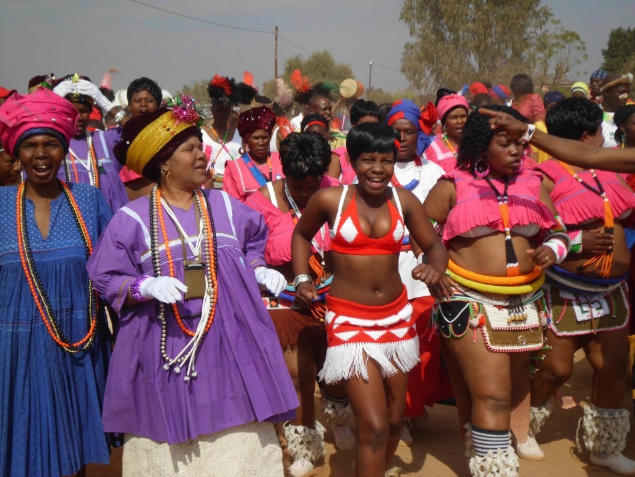
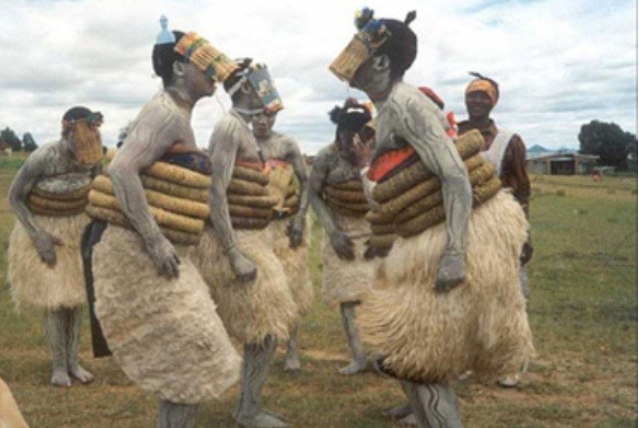
Africa is known for the unique and diversified culture of its different people. And among these is the very interesting group of people called Sotho. They are divided into three groups: The Northern Sotho (Pedi), Southern Sotho, and the Tswana (Batswana). These groupings happened due to various events in the course of histories like wars, invasions and the change of leaders. In the end, most of these people are now living in South Africa. Sotho (South Sotho or Basotho) people are concentrated in the Free State, Gauteng, and Eastern Cape Provinces, with small groups in Namibia and Zambia .

Early Sotho origins and history are largely unknown, but Ironworkers, who were probably Sotho-speakers, were at Phalaborwa from the eighth century and at Melville Koppies in the Johannesburg area from the eleventh century. Oral tradition has it that the founding lineage knew the art of smelting which has ancient ritual dances associated with it. It also says that the first human was found in a reed river Ntswanatsatsi. These are a few of the folklores told to the younger generation, which encourage them to appreciate history culture and tradition.

Sotho People

Sotho people were also known as Basotho or Bantu people in the kingdom of Lesotho which was enclave by South Africa. This Basotho nation emerged during the nineteenth century by a local chief named Moshoeshoe. But when the English authorities started to invade the land, Sotho people started to live mostly in Southern Africa.

Like many other ethnic groups in Africa, Sotho people are living according to different clans and villages with their chief. Their livelihood was based on hunting, cultivating crops, and smelting iron. Another interesting thing about Sotho people is their complex way of organizing their villages. Accordingly, each village was organized according to age-set and each had different responsibilities to cover. Thus, their community could function more effectively because different tasks were properly assigned.

Sotho Culture – Traditional Attire

Polygamy was a common practice especially by the elite class of the population. Men are considered as the head of the family and women are the farmers and bearers of children. Respect for elders is encouraged to children. Girls are trained from childhood to respect the males and perform their traditional wifely and motherly duties. And in terms of their religion, many believed Modimo as their Supreme Being. However, people eventually embraced Christianity either Protestant or Catholic especially nowadays.

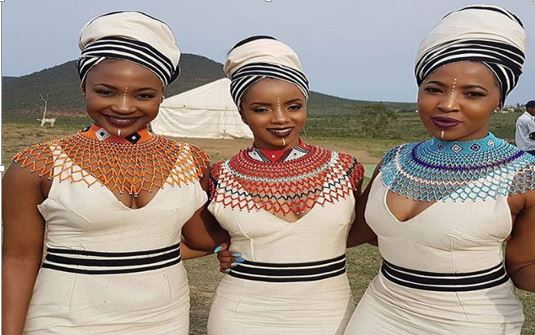
In terms of traditional attire, Sotho people are very well-known for wearing colourful blankets often used instead of jackets. These are beautiful and so well crafted. Bead-work, sewing, pottery, and weaving are very common activities to make other functional items for their own use .

Sotho Language

Sotho is the language used by the Sotho people and now it is one among the eleven languages used in South Africa. It has different suffixes and prefixes in a sentence construction. Thus, the sound often changes which make the language known as an agglutinative language. At the present time, the Sotho language has two spelling system. One is used in Lesotho and the one is used in South Africa like Khosto is also spelt as Kgosto. Moreover, Sotho is really a remarkable language because it is one among the first written languages in Africa. Actually, the first novel published in South Africa called Chakka was written in Sotho made by Thomas Mofolo.

Food

There is little difference in Sotho foods and contemporary South African food. Like in many other SA ethnic groups, the Sothos have their staple food as maize which is used to make varieties of food. They also make meals out of natural milk. Sotho people enjoy meats from chicken, lamb, and cow.

All these facts only prove that the Sotho people have a very rich culture from their ancestors up to this present time. They may have become modernize nowadays; however, history will trace different stories that will paint how far they have come from how their lives used to be. After all, the challenges that the ancient Sotho people have faced only paved the way to a better lifestyle and culture that will truly enhance their way of life and make them a more relevant people to South Africa as a nation.

How Johannesburg Became The Most Unfriendly City In The World

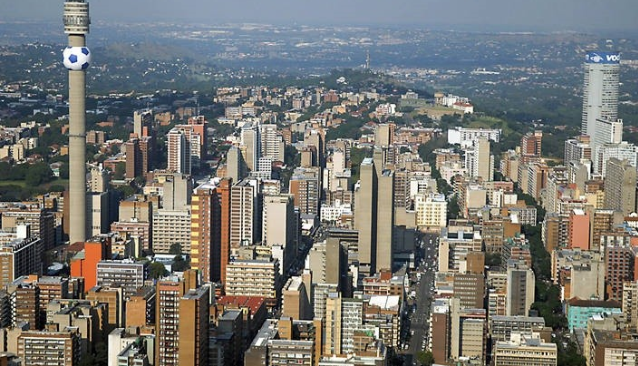
Johannesburg, also known as the City of Gold, Jo’burg, eGoli, or Jozi, is the largest city in South Africa. In a recent survey conducted by Conde Nast Traveler magazine in August 2014, Johannesburg was named world’s unfriendliest city. Despite being the economic and cultural hub of South Africa, and being one of the most beautiful cities in the world, it was voted unfriendly due to the city’s serious concerns about safety and security.

It is important to take note that the survey was intended to find out which cities in the world were “friendly” and “unfriendly” for tourist travel and not necessarily to reflect the people of the cities.

One of the readers rated Johannesburg very poorly because he regards the city as a “city of crime and contrasts,” while another said it is “not safe to travel independently,” another mentioned that he was “pressured to give a tip for personal service which was not received.”

Though the survey was highly subjective, many tourists certainly don’t regard Johannesburg as one of the world’s top travel destinations. Most of the people who go to the city are on their way to other more popular tourist destinations in Africa. Known primarily as a gateway to nearby tourists hot spots such as Cape Town, the Kruger National Park, and Durban, Johannesburg mainly serves as a point of entry .

Why is this so? Why are tourists skipping this major metropolitan area and heading to other destinations with less modern amenities? Here are 4 reasons why Johannesburg is considered to be “Unfriendly” to tourists and travellers:

1. High Crime Rate

South Africa as a whole is known worldwide for its very high crime rate. The divide between the wealthy affluent families and individuals and the poor communities is very huge. And this fact is most evident in Johannesburg – South Africa’s financial hub. It’s this huge difference between the rich and the poor that accounts for the city’s incredibly high crime rate.

Although the wealthy live in gated communities in the suburbs, a lot of home invasion still take place. Theft, robbery, and violence occur in the city’s dangerous districts both day and night, and walking alone at dark is highly discouraged – even in the more affluent communities.

Show of wealth such as wearing expensive jewellery, carrying purses, and even the use of cell phones in public places is highly discouraged.

2. Poor Public Transportation

Johannesburg is a city made for cars – thus explaining its poor public transportation system. The best way to get around is by renting a car and if you don’t know how to drive, it will be very difficult for you to go around the city.

If you decide to rent a car, be prepared for aggressive drivers and possible robberies in the middle of the road – drivers must always keep their doors locked and park in safe streets since carjacking is a major occurrence in the city.

Public transportation is still in the development process, and taxis are very rare. Taxis are mostly found at the airport and a few places in the city centre. There are no taxi ranks in shopping malls and you’d have to call for a company to pick you up. Also, the taxi fares aren’t cheap either – most of them don’t use the meter and you’d have to agree on a price before you get on.

Though there are public buses and minicabs, they tend to have no designated stops and are considered unsafe.

3. Most Shops Are Closed on Weekends

Shopping malls stay open until 5 pm in the city but independent shops, as well as art galleries, and museums close at lunchtime on Saturdays and remain closed until Monday. Galleries close around 1 – 2 pm, making sightseeing on the weekends very frustrating for travellers.

4. It Has Very Little Tourist Attractions

Tourist attractions are very few in Johannesburg. There are no seas, no mountains, and no real rivers or lakes in this generally flat city. There are also beggars in almost every intersection, and heading to tourist attractions will expose you to beggars that are most likely working for syndicates and crime rings.

The only safe downtown districts in the city are Rosebank and Sandton – which are filled with restaurants, hotels and a thriving nightlife. Anywhere else exposes you to possible theft and violence.

Like any other city in the world, Johannesburg has its very fair share of shady and dark places but then, some are more dangerous than others. The complete lack of safety and efficient public transportation among some of these other reasons listed above are the criteria used for categorizing Johannesburg as the most Unfriendly city in the world for travellers and tourists alike.

Welcome

This blog is about knowing your roots, your origin. There is beauty in our roots. Sometimes we think our roots are shameful, and people tell you that you’re no good or your ancestors are no good. But It’s about the beauty of those places.

Everyone has ancestors and it is only a question of going back far enough to find a good one. We inherit from our ancestors gifts so often taken for granted. Each of us contains within this inheritance of soul. We are links between the ages, containing past and present expectations, sacred memories and future promise.

This will be the easiest way for our future or current generations to trace their FAMILY SKELETON/ FAMILY TREE, to know where are they coming from, to know their great grand parents by just pressing the button. So my idea is to collect info on different families. I want it to be accessible worldwide one of the good days.

It would be easy to find people your related to. I know we might have the same surnames but different clan names, POKO.
Bear in mind that we don’t need to know confidential information, Just basic and simple information.
This is going to be mixed languages, depending on the culture.

We will also like to help the community especially youth by fighting Unemployment, Job Opportunities, Learnerships and Internships will be posted on Jobs/Internships/Learnerships tab.

And those who are interested in Forex Trading, we will be posting signals and the basic info about FOREX for free under Forex Guidance/Signal tab.

If you have any questions or comment please do leave a message on the comment section.

Design a site like this with WordPress.com
Get started